Specialist programs
We offer a range of Specialist Programs.
Students develop their knowledge and understanding of creative processes, while learning communication, collaboration and intercultural skills. As their confidence grows their wellbeing improves, and they develop a sense of belonging at school. This impacts students’ openness to learning, helping to improve their outcomes.
Teachers are supported with mentoring and professional development to confidently deliver the arts, and to use these skills across the curriculum to help students engage in learning more broadly.
Stephanie Alexander Kitchen Garden
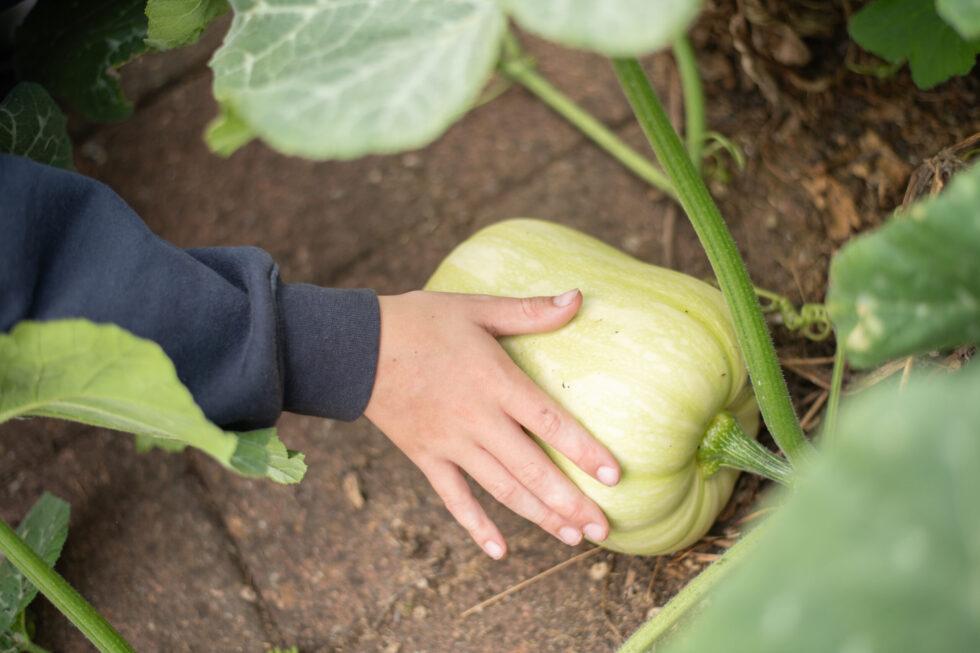
At Mulga Street, our Stephanie Alexander Garden is a hub of learning and creativity, where students immerse themselves in the full cycle of food production. They plant seeds and nurture a diverse garden of vegetables and herbs, watching their efforts bloom into fresh ingredients. Once harvested, these ingredients are transformed into dishes that students prepare and share together, fostering a sense of community and collaboration. Adding to this, our students have successfully incubated and hatched their own chickens, and the fresh eggs they produce are also used in the cooking process . This hands-on approach not only teaches valuable cooking skills but also deepens their understanding of sustainability and the joy of growing and sharing food.
The Song Room
The Song Room program, supported by Scott Maxwell, aims to help teachers learn how to teach music effectively in their classrooms. Research shows a strong link between music involvement and better literacy, numeracy, and well-being outcomes.
This program is designed to support teachers and school communities to improve social and educational results while building a connected school community through arts learning. It is delivered by The Song Room in partnership with the Department for Education and the Music Education Strategy.
Arts learning helps students get more involved in school and supports their social and emotional growth. Through our TLC program, The Song Room aims to help young people become creative, brave, and caring. We give them chances to imagine, share, work together, and express their ideas and feelings through creating and responding to art.
French
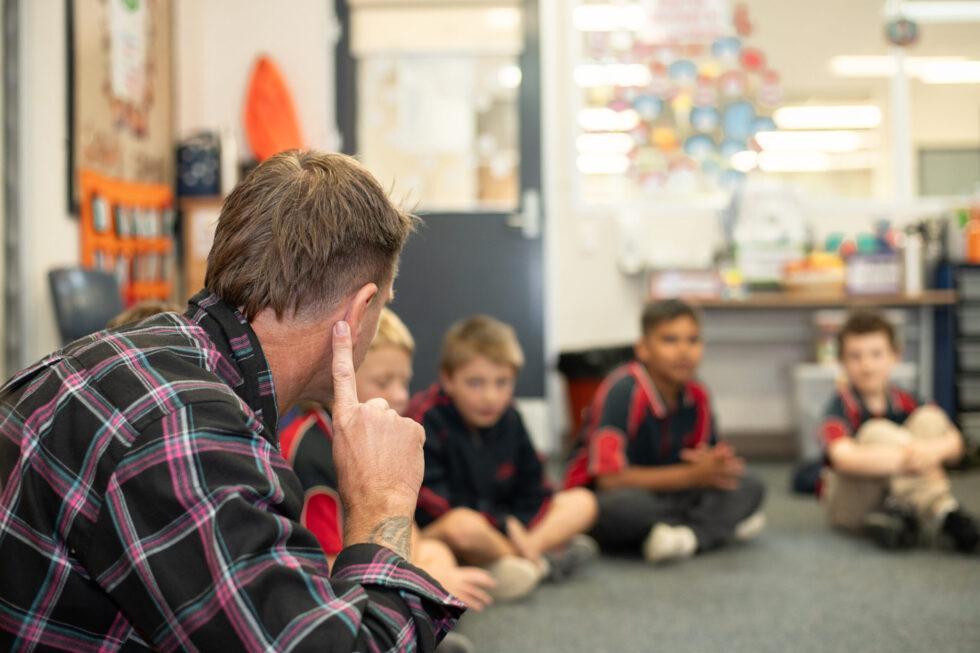
French is our language of study for all students. Each class has a 1-hour lesson per week, which helps student learn to speak the language and understand French culture.
Some of the things the French program includes is:
- learning about French art, dance and music
- celebrating French events, like Bastille Day
- putting on our own French show (Spectacle Français).
Learning a language:
- helps students gain a broader cultural perspective
- opens up career pathways
- promotes social cohesion and cross-cultural understanding.
YELP
The Young Environmental Leaders (YELP) program provides an opportunity for primary school students to learn about the local environment by participating in hands-on activities and projects and develop as leaders within their school community.
Choir - Instrumental Music
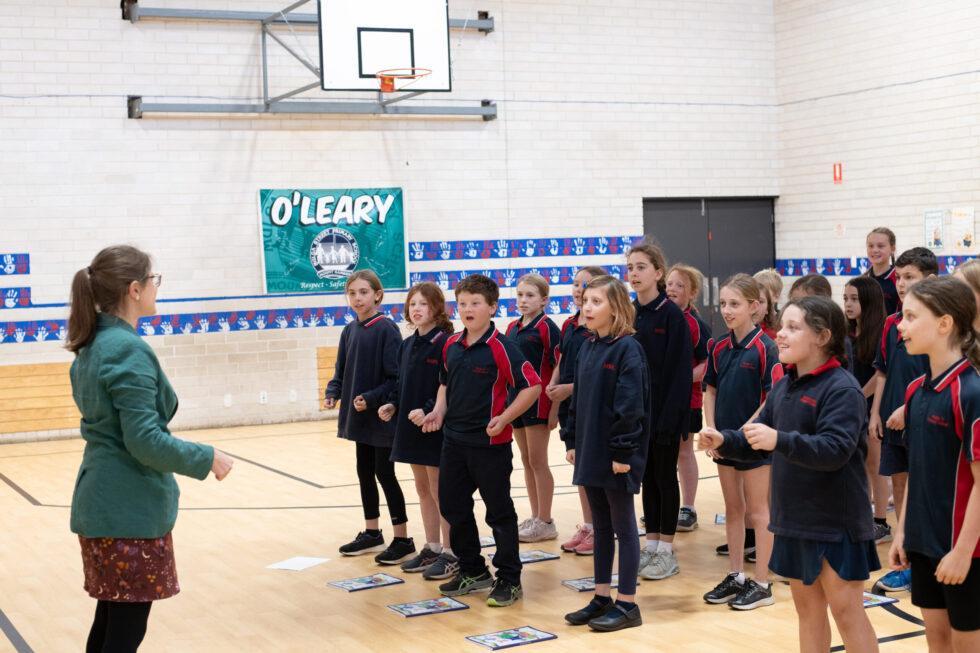
Students in years 4-6 at Mulga Street Primary School have the exciting opportunity to join our school choir, which is part of the South Australian Festival of Music program. This program allows students to develop their vocal skills, perform in a choir, and participate in musical events, fostering a love for music and performance.
Instrumental Music
Students in years 4-6 at Mulga Street Primary School can participate in our instrumental music program, where they have the opportunity to learn brass or woodwind instruments. Families can hire the instruments through the school, making it easier for students to explore and develop their musical talents.
Discovery
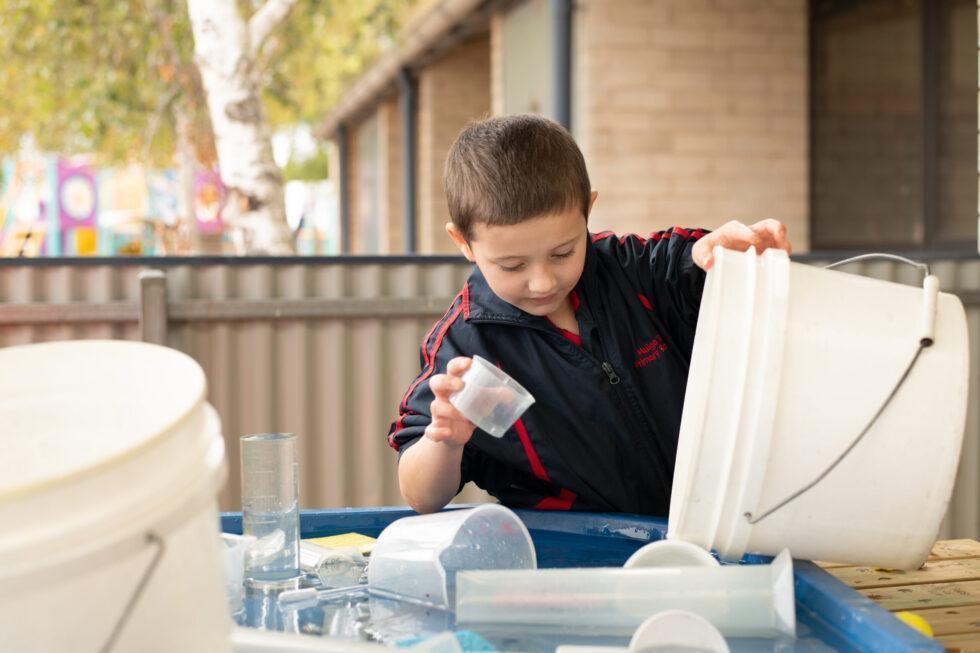
Every morning, our Junior Primary students begin their day with Discovery time, which includes play and inquiry. Why do we do this? There are several important reasons:
- Play is how children learn best. Starting the day with play helps reduce their stress levels, making it easier for them to engage in learning throughout the day.
- It feels familiar to them, as it resembles the kindy environment they already know.
- Although Discovery may seem “messy” to adults, the activities are carefully planned to connect with the curriculum. This helps students show that they can use the skills and knowledge they’ve learned in the classroom, which is important for meeting the standards of the Australian Curriculum.
- Most importantly, the activities are led by the students themselves.
What does Discovery look like?
- Music
- Oral language
- Maths/Numeracy
- Construction
- Writing
- Emotional regulation
- Reading
- Visual Arts
- Socio-dramatic play
- Dance
- Drama
- Science
- PE
- Creativity
- Conflict Resolution
- Persistence
- Resilience
- Co-operation
- Organisation
- FUN
- And so much more…